Overview
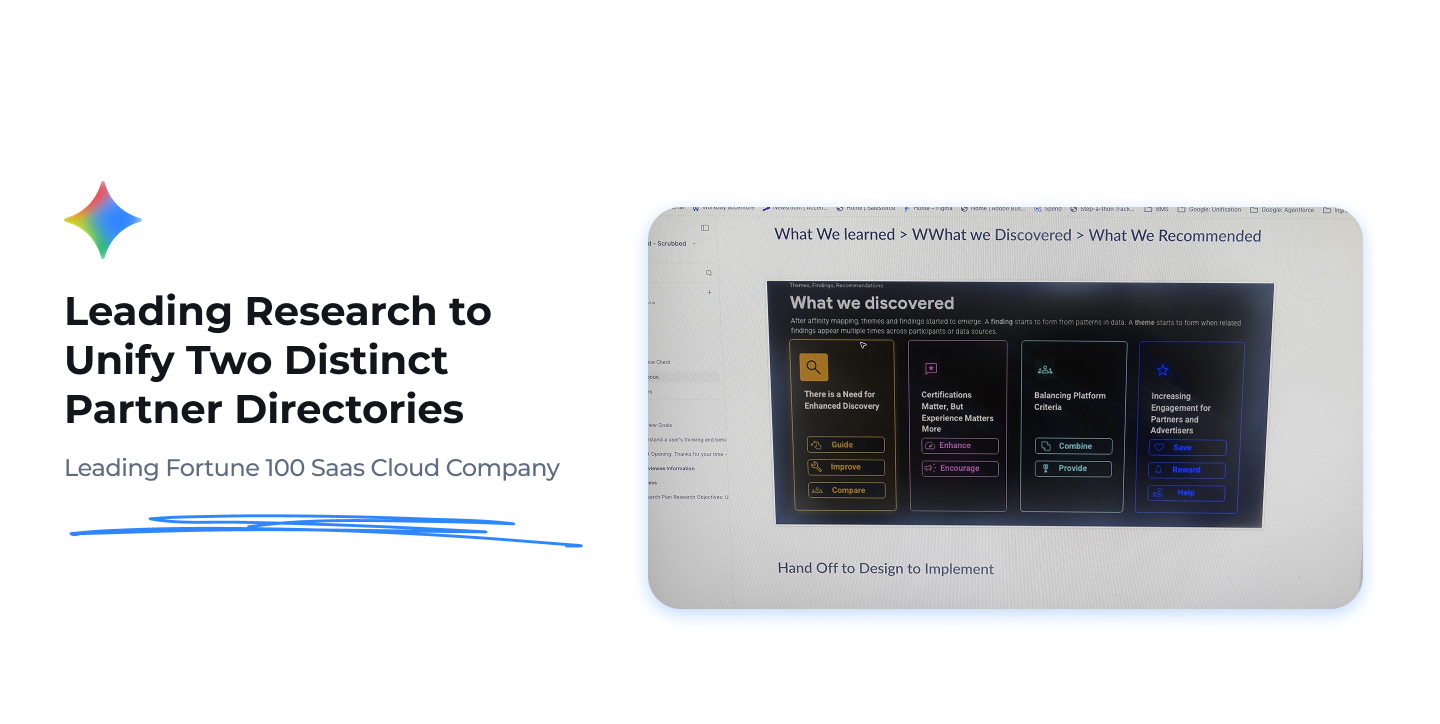
The client wanted to unify two separate existing marketing partner directories into one cohesive partner marketplace.
They needed insights on what they could do to design a better system.
My Role
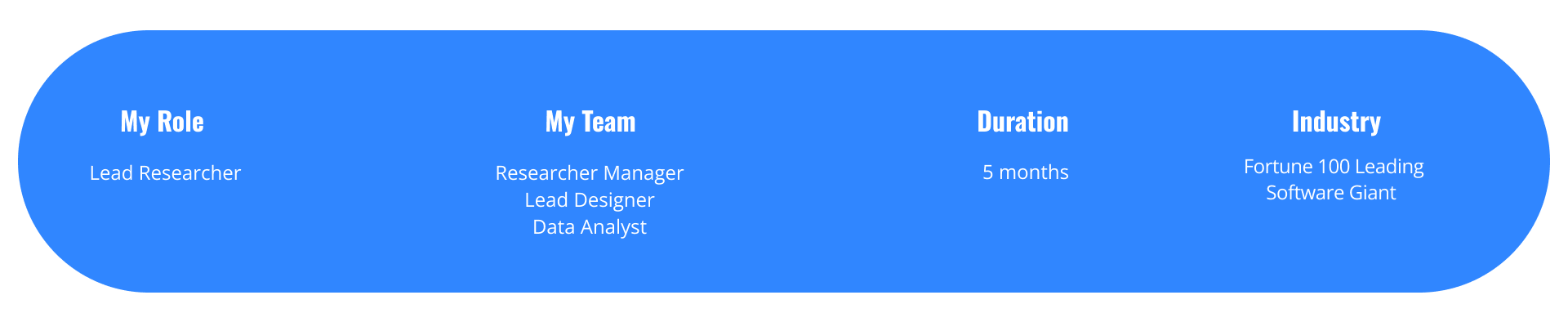
Led UX Research on the integration of two distinct partner galleries specializing in both advertising and marketing into a unified platform that’s cohesive with the rest of the client suite of products over a 5-month period.
Conducted over 20 scripted interviews with key internal stakeholders, synthesized existing and legacy data with AI assistance to generate actionable insights and recommendations.
Facilitated a 2-day virtual research workshop to synthesize findings with the internal team.
Partnered with designers to develop low-fidelity mockups and led concept testing sessions with 10+ senior managers and key internal teams resulting in positive feedback on the new gallery experience and the greenlight to go forward with the next phase of the project.
Manage complex, high-volume executive calendars across multiple time zones, including scheduling internal and external meetings, coordinating logistics, and handling last-minute changes with accuracy and efficiency.
Business Goals
Identify several touchpoint for partner engagements.
Gain insights from core stakeholders on how a unified platform can improve lead generation.
Identify areas for conversion in the unified platform
Personal Goals
7+ years of experience in product, visual, or systems design, including significant ownership of design systems.
Deep expertise building and scaling design systems in complex, multi-product environments.
Strong systems thinking - you see patterns, anticipate edge cases, and design for scale.
Hands-on experience designing and maintaining component libraries in tools like Figma and Storybook.
You stay up to date and have experience with the latest design system features, tooling and benchmarks, including emerging AI-assisted design and development workflows (e.g., MCP, Code Connect, Figma Make, v0).
Strong understanding of accessibility standards (WCAG) and inclusive design principles.
Experience collaborating closely with Engineering to deliver production-ready components.
Ability to translate complex system requirements into clear, usable patterns and documentation.
Excellent communication skills, with the ability to articulate system decisions and influence adoption.
Familiarity with front-end technologies and constraints (e.g., CSS, component-based frameworks like React or Angular, and design tokens).
Experience managing complex, high-volume executive calendars across multiple time zones, including scheduling internal and external meetings, coordinating logistics, and handling last-minute changes with accuracy and efficiency.
Results
More than 20 unique insights
For the client to take to improve the usability and unification of 2 distinct partner galleries
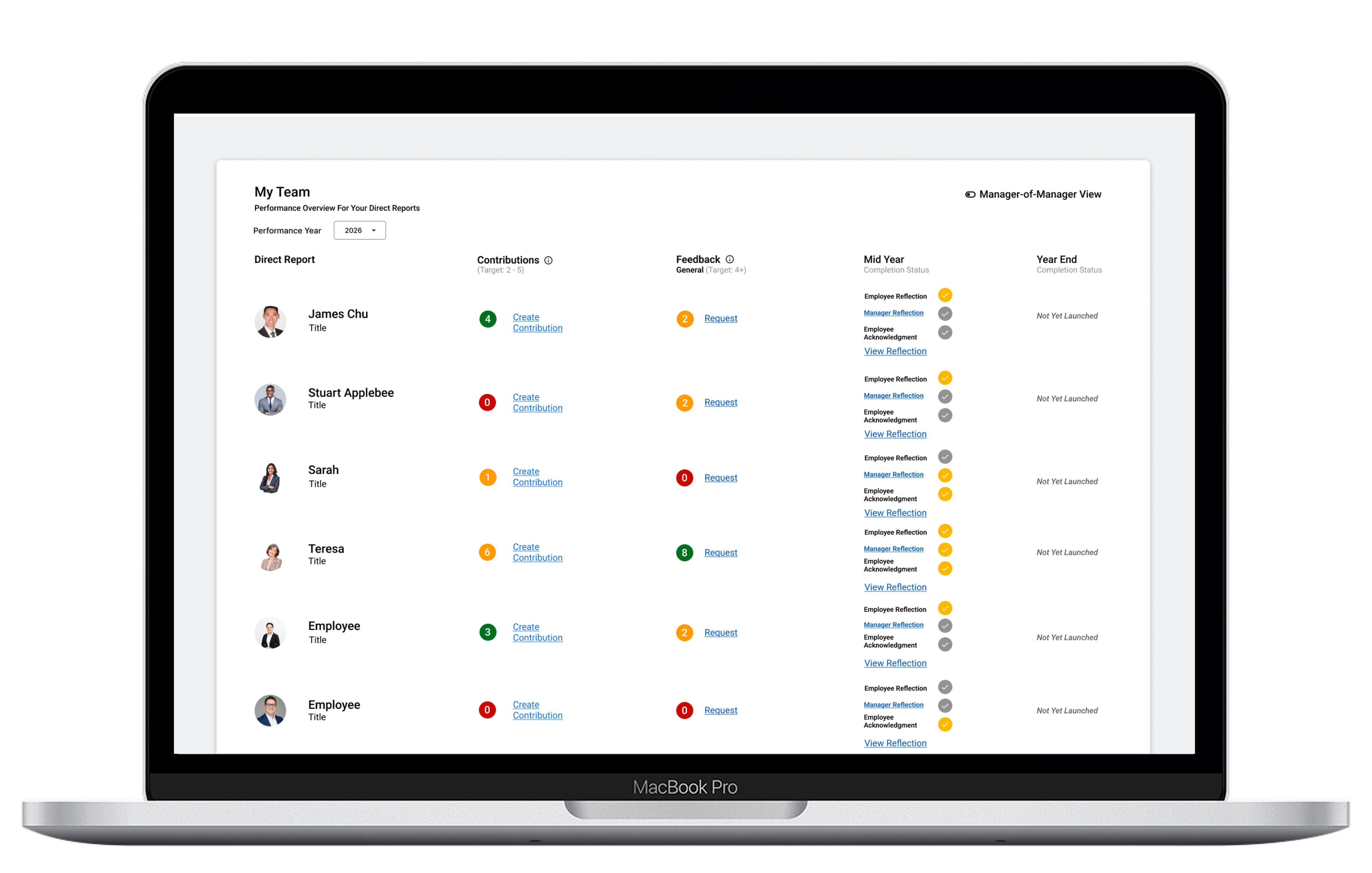
Worked closely with a designer
To create a low fidelity complete flow using the data and recommendations leading to satisfaction from the client and handoff to the in house design team.
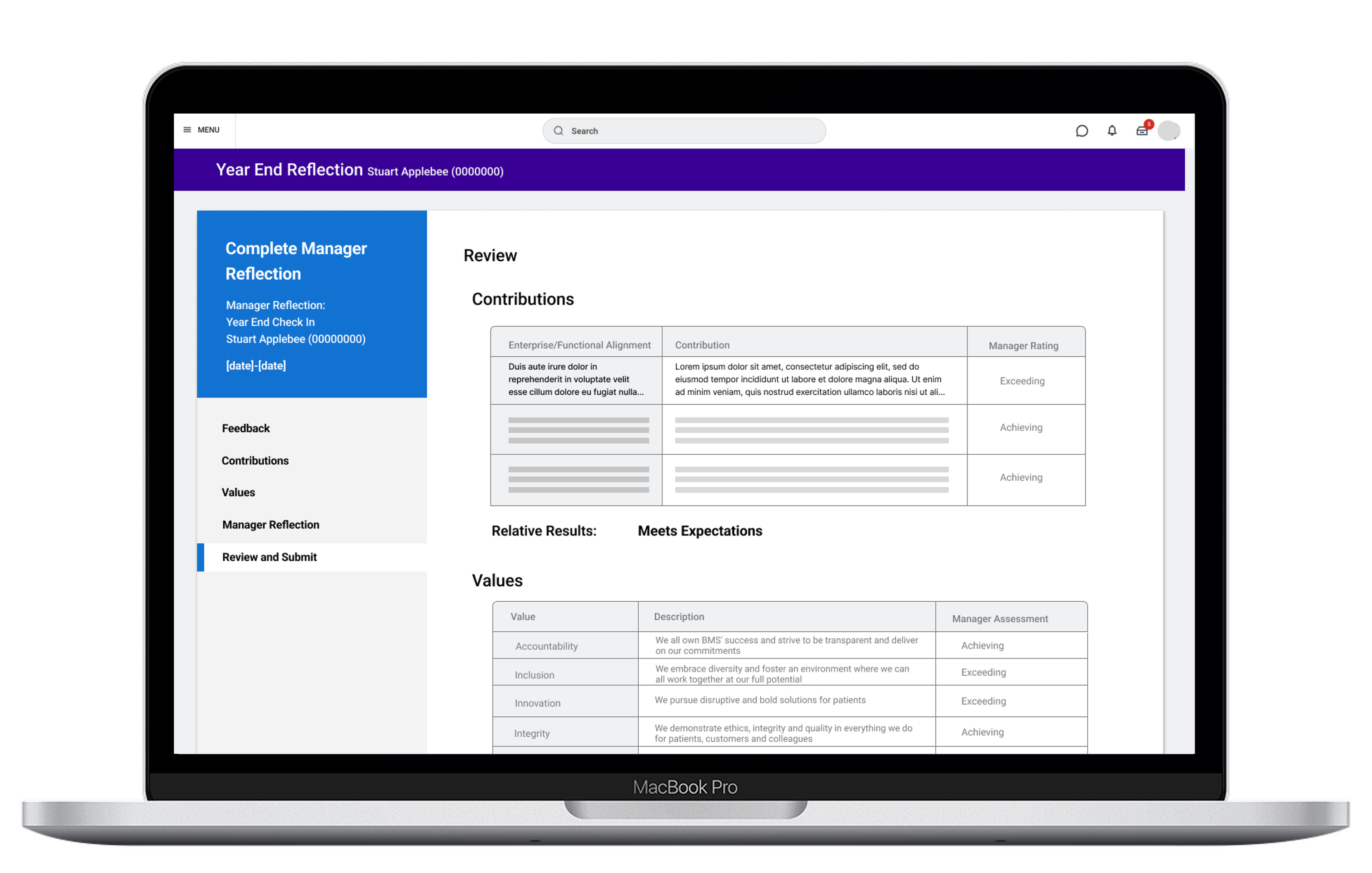
Added to best practices repository
Added AI methods and results to clients AI best practices for research repository.
My Approach
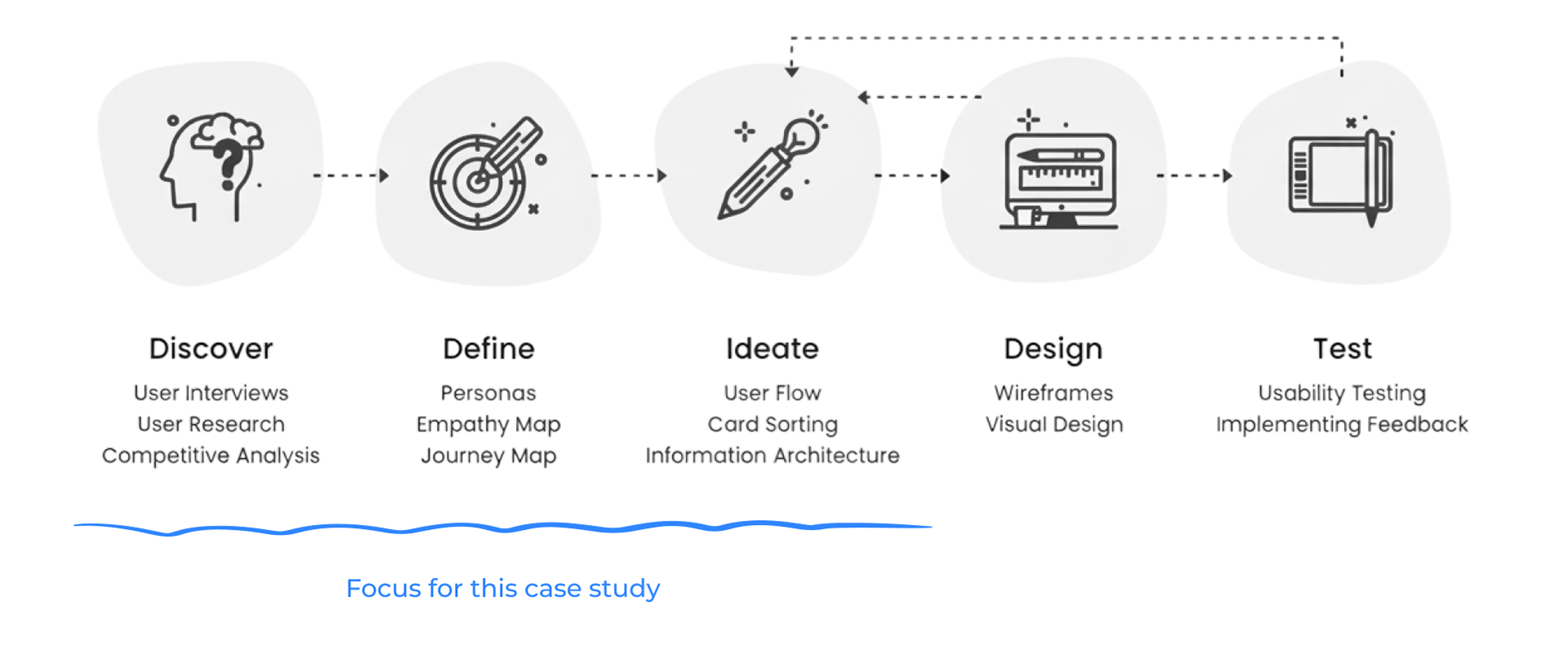
I deviated from the standard discovery-then-design sequence when I realized during interviews that executive stakeholders had a different idea of what the portal was even for.
Rather than waiting weeks to deliver a research readout that would just resurface the same disagreements, I started feeding insights back to the client in real time.
That shift let the design process do the job of resolving strategic disagreements faster than a report ever could — and resulted in a unified partner gallery that drove a 3x improvement in engagement, trust, and lead generation.
How Did I Stay Organized?
I used a number of tools to organize all my methods, artifacts, top notes and presentations. I used:
FigJam for collaboration with my design manage, designer and business analyst to record and transcribe notes.
Google Calendars for scheduling and recording interviews
Gemini for interview transcription and insight gathering.
Google Slides for client presentations and parking lots.
Google Forms for pre-interview questionnaires.
All of these tools offered the proper data security, real time collaboration, and file distribution capabilities to get the project done with the roadmap.