*Some client details have been changed to protect privacy
Overview
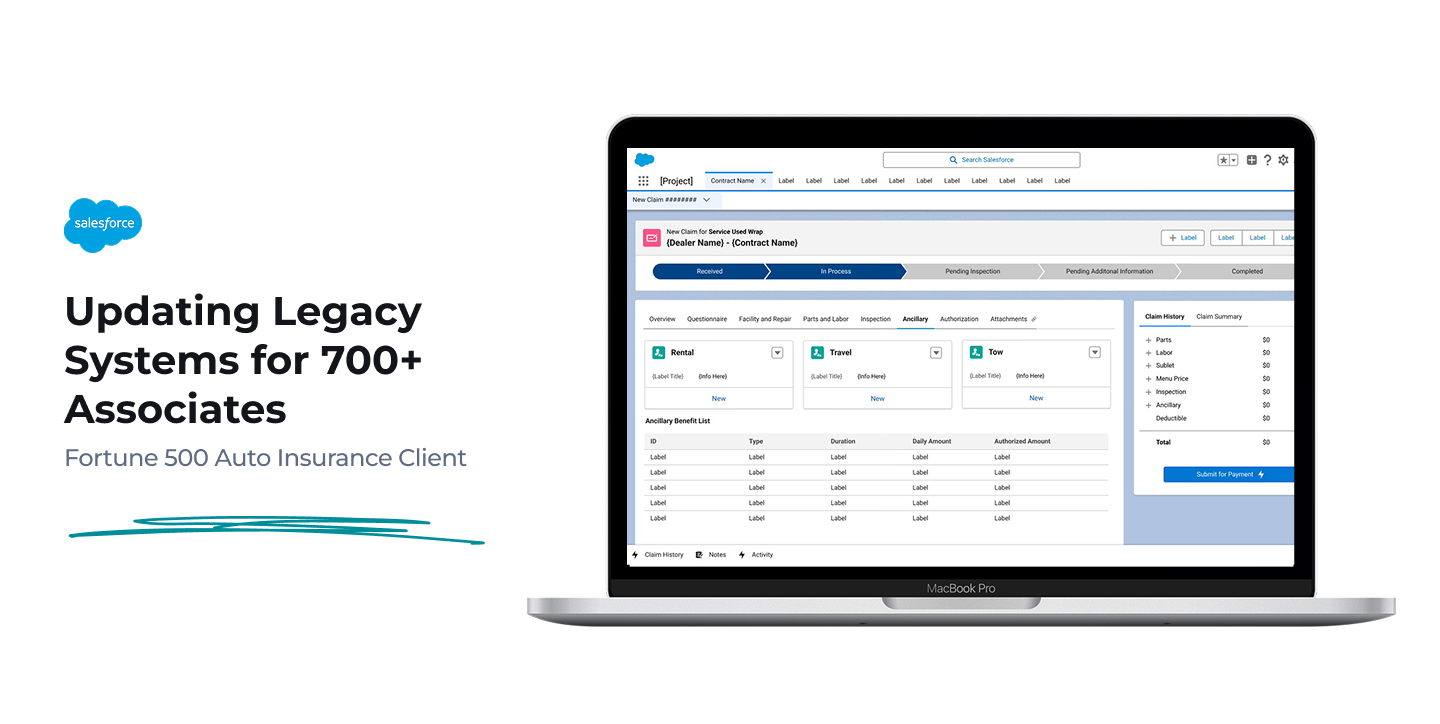
The client was feeling the effects of having an outdated insurance case processing system for their representatives.
They needed to migrate to a new system that would allow for them to cut down on case processing time, join all processes into one space to share information company-wide and help the business scale regardless of case intake.
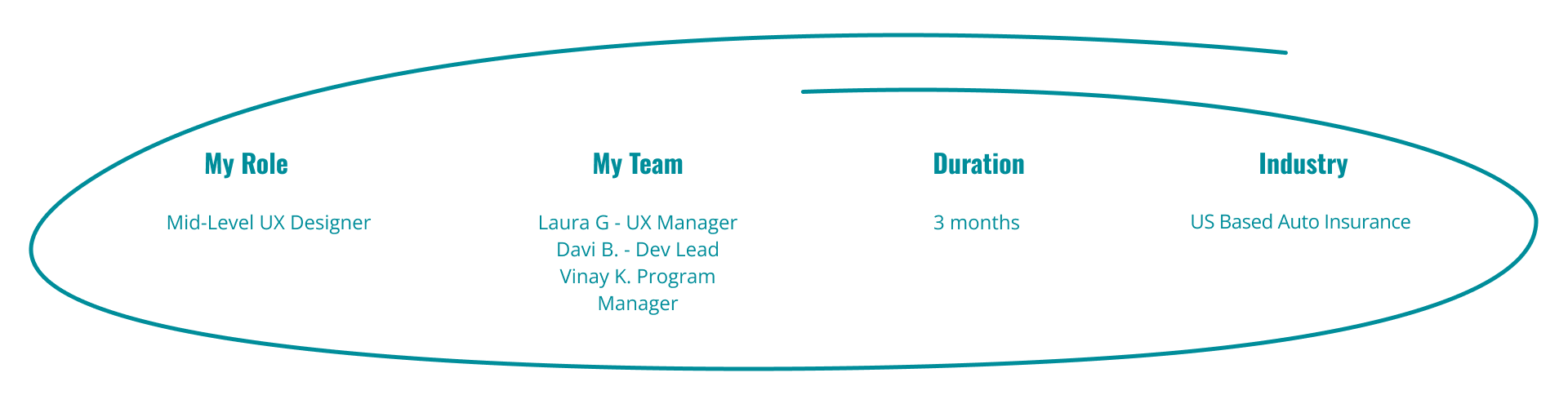
My Role
1️⃣ Led end-to-end design in building the new experience to streamline the auto insurance claim intake process and the cancellation process.
2️⃣ My UX Manager only had 10% allocation for this project, and I owned the design process with minimal guidance.
Results
Contract Cancellations
30% less contract cancellations over 3 months.
Case Intake Time
43% improved case intake time based on average case intake time, exceeded the goal of 30%.
Improvements in
1. Batch cancellation processes (time on task 1 hr - 30 min)
2. Pricing buckets setup (time on task 5 to 2 min)
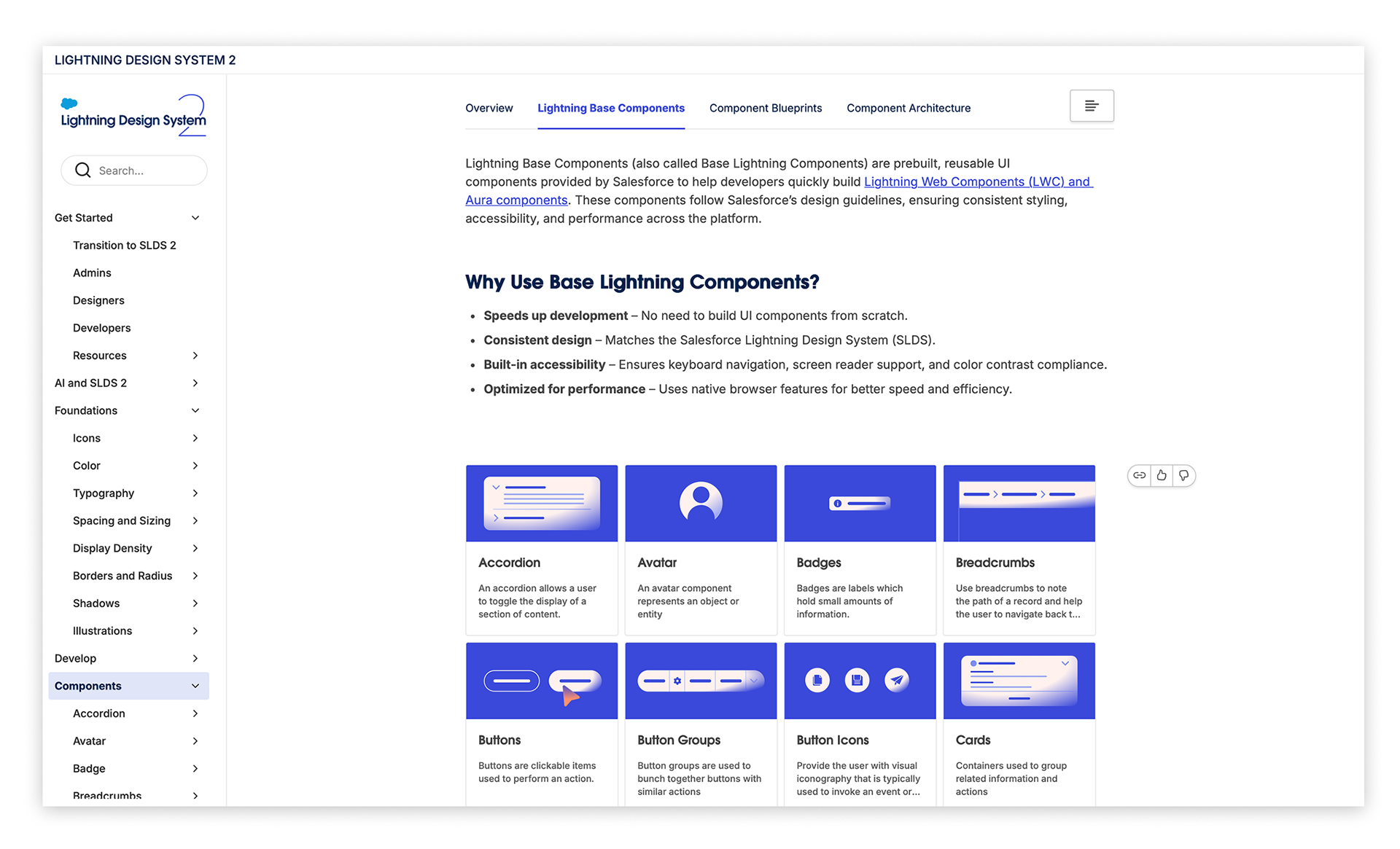
During onboarding, a learning curve for me was using the SLDS 2 design system from Salesforce.
Luckily, I already have 2 certifications with Salesforce, so I was up to date with their latest design system, but I used that time to research their documentation and how to use the patterns.
Research
Conducted ethnographic research (interviews, fly on the wall observation, shadowing, contextual inquiry) for the claims, product, pricing and contract cancellation processes leading to enhanced insights for stakeholders.
Legacy Research
First, I was given an overview of the target areas I'd be working on as well as any legacy research that was conducted prior to joining. These included interviews and surveys.
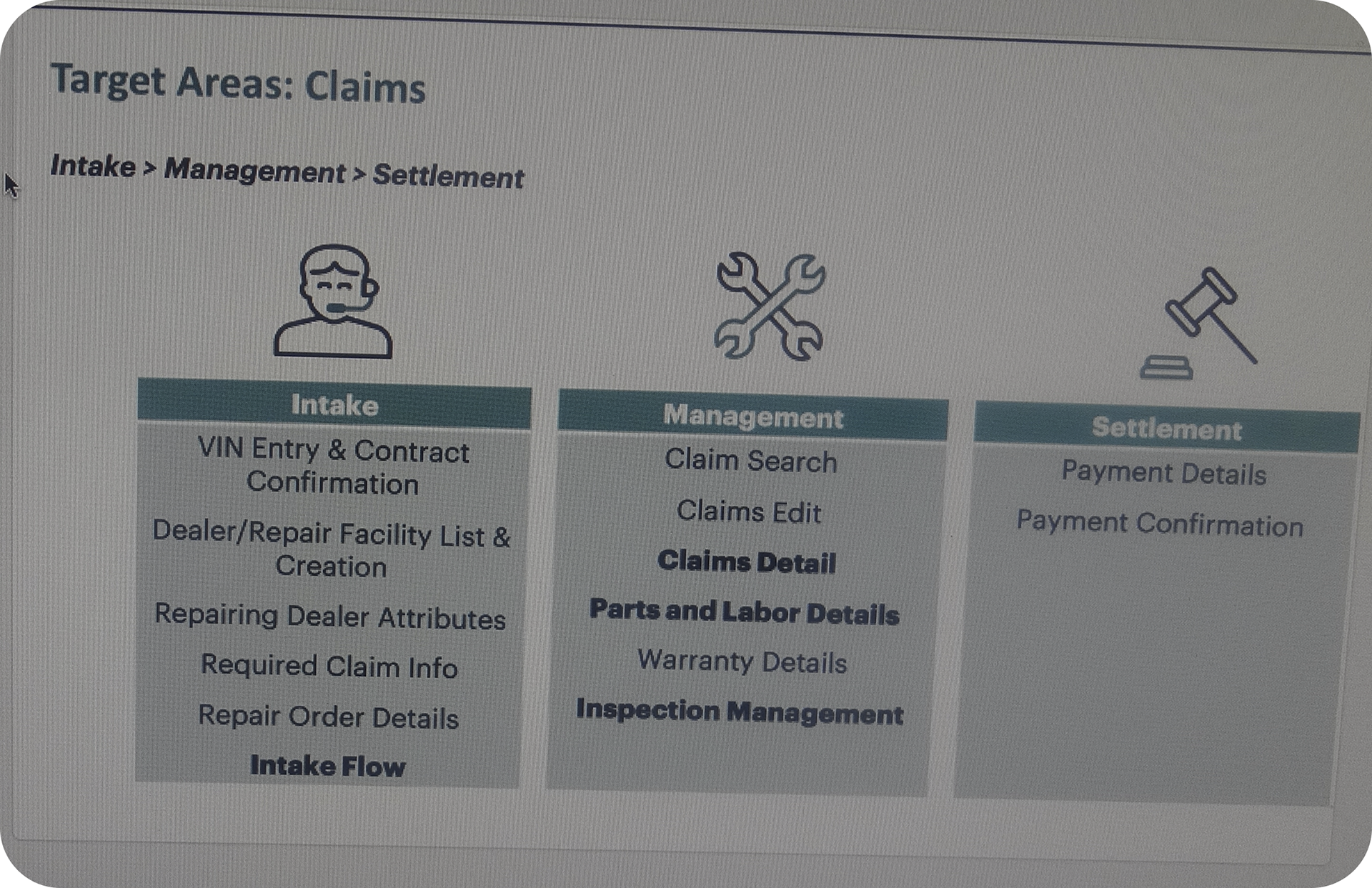
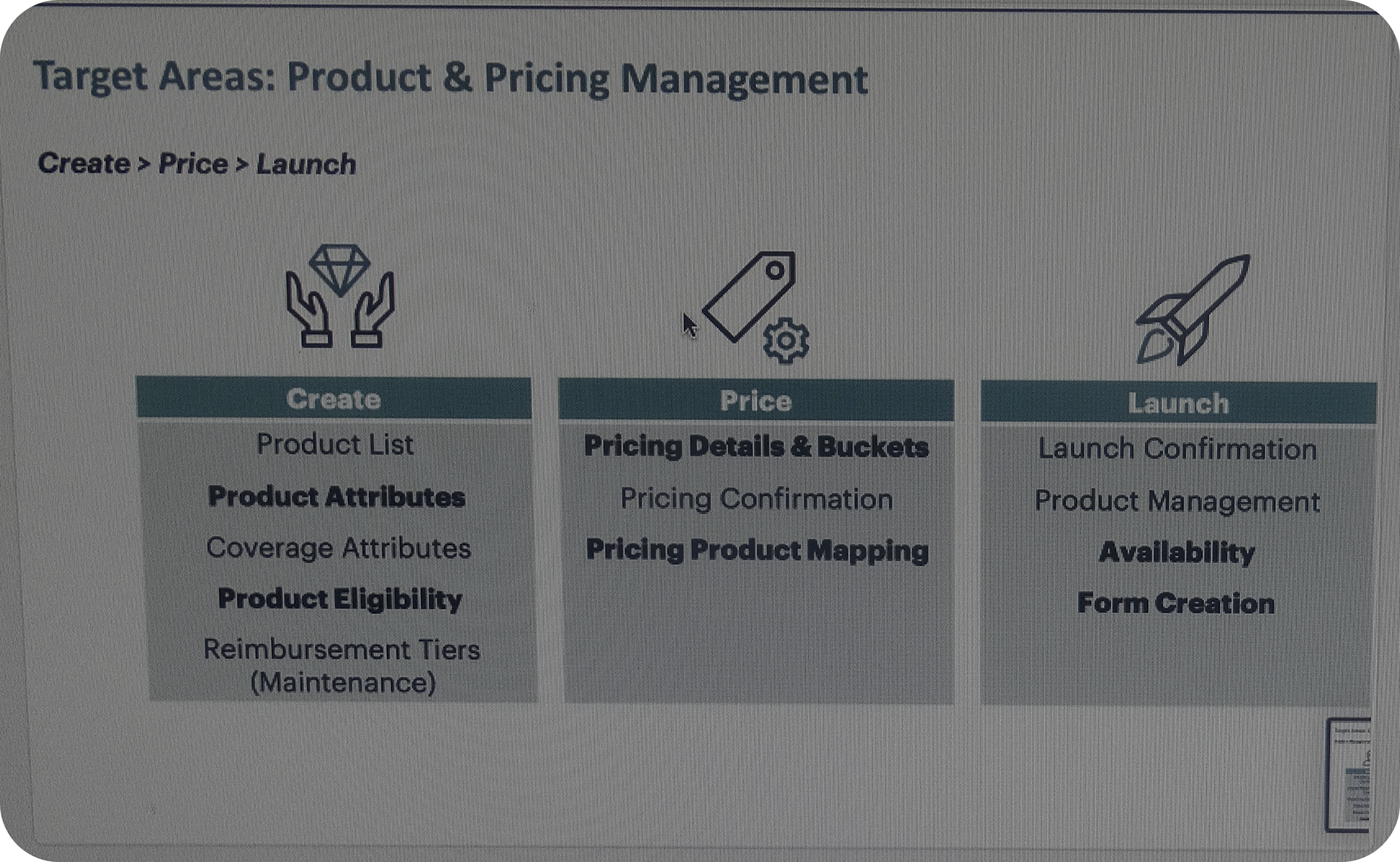
I was also given a breakdown on the types of pages that would need to be created. The offshore dev team was also pulled into these talks.
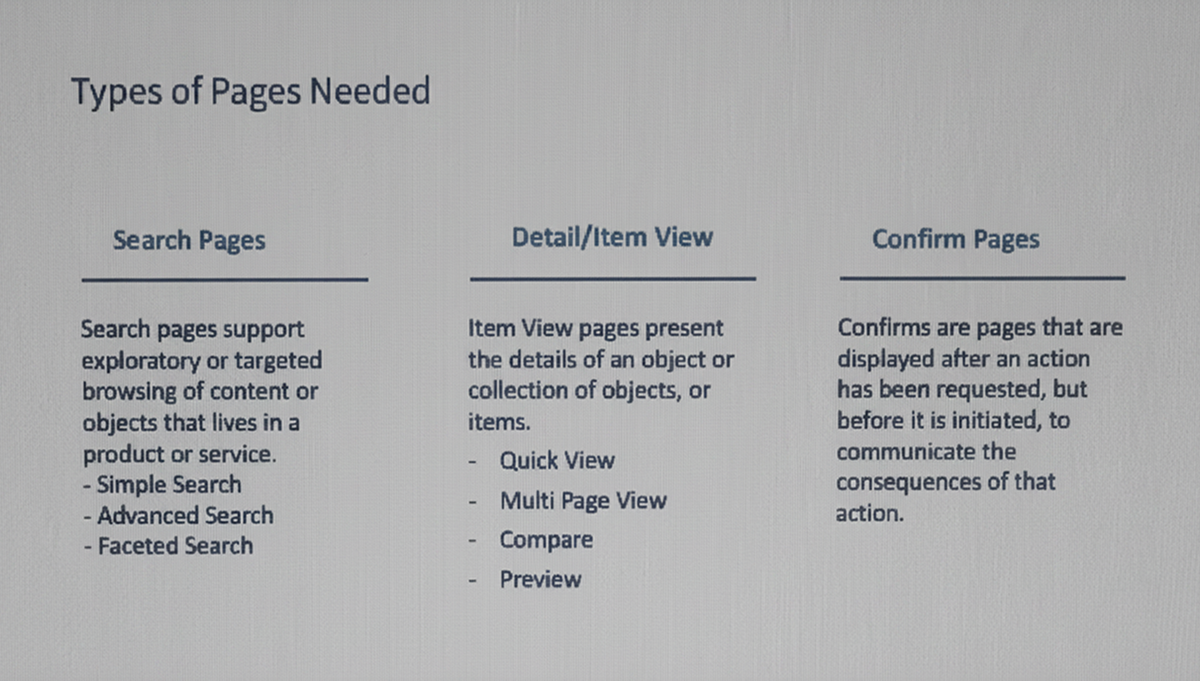
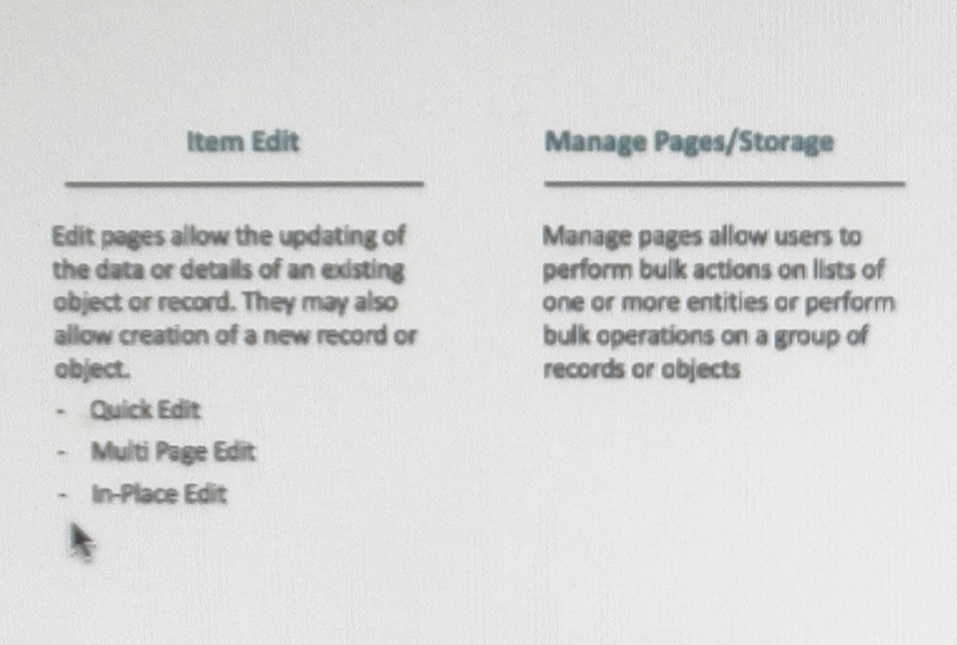
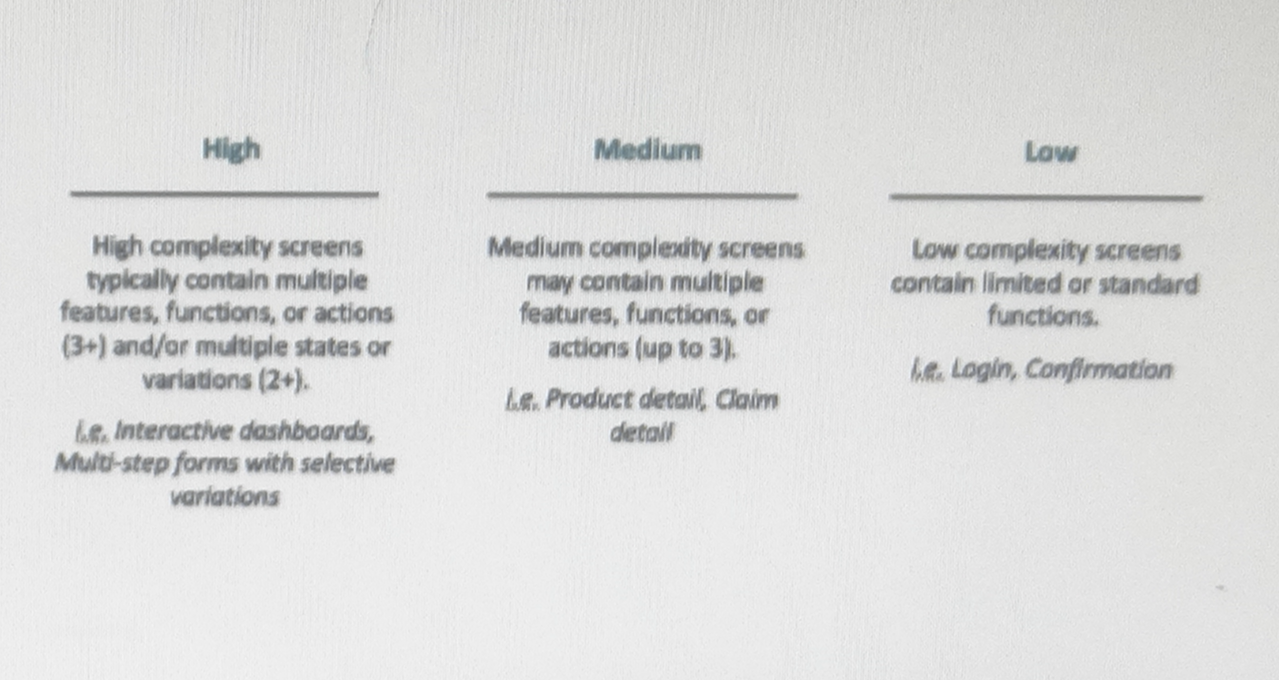
After sitting with all this new information, I made the decision that I still needed more relevant info from the core users who use the system in their day-to-day. My manager agreed and pitched the idea to leadership.
The client had the bandwidth and resources to make that happen, so we scheduled a shadowing with several key insiders who know the system inside and out.
6
key users volunteered their time for the only week my manager and I had to test.
Some of their tenures spanned from newly joined to a 20-year seasoned veteran for logging and overseeing claims.

Why we're shadowing:
1️⃣ Determine a happy path flow for claims and contract target areas.
2️⃣ Understand their pain points and areas of focus to help reach their day-to-day goals (something that wasn't in the legacy research)
3️⃣ Observe body language to know what parts of the process contribute to frustration or elation.
4️⃣ Shadowing would serve a business need. By keeping people working and providing my manager and me with more data to back the designs. It's a win-win.
the only problem was...
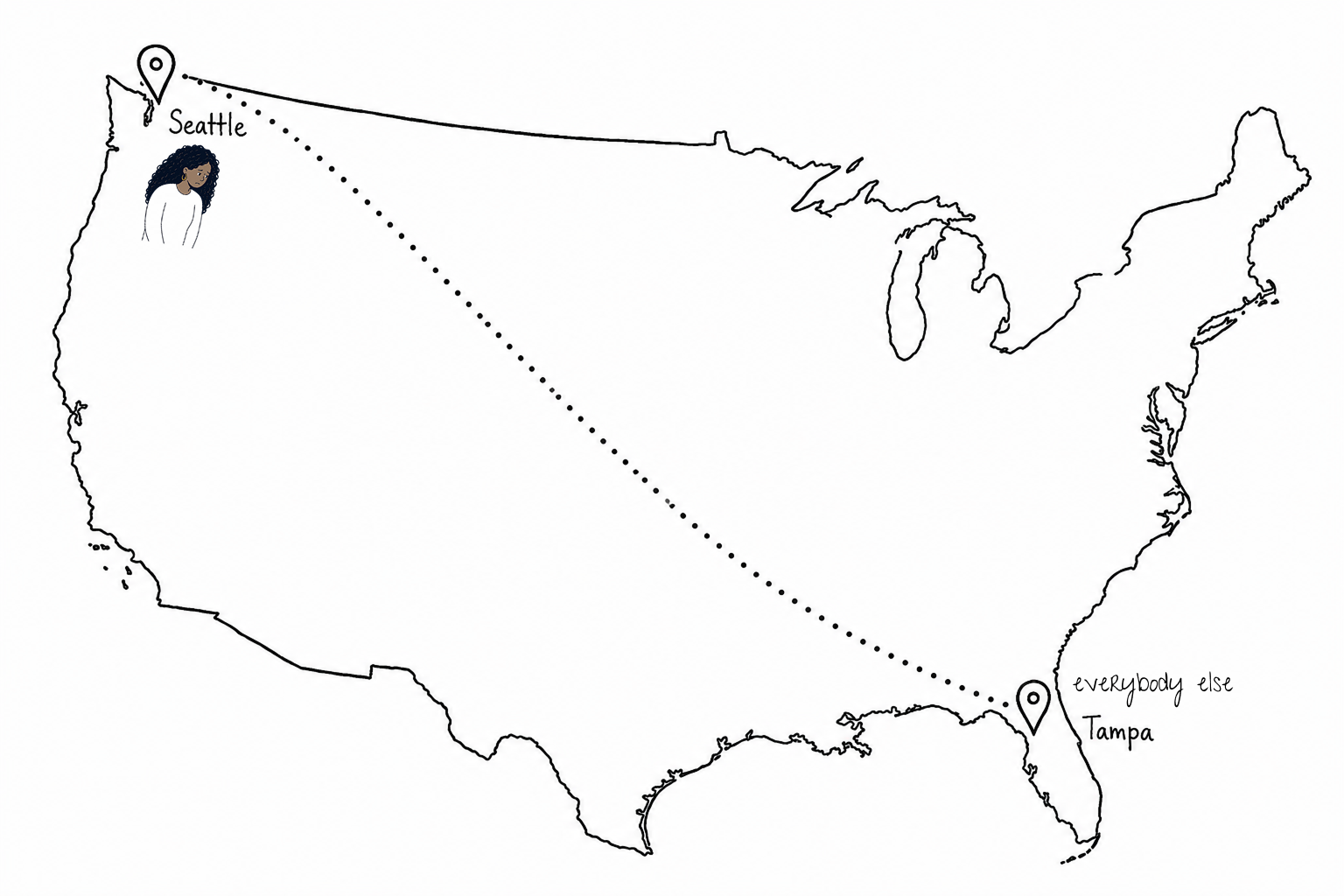
but we made it work with careful time management, scheduling, and making sure my computer was up to date to avoid technical difficulties in order to record every session.
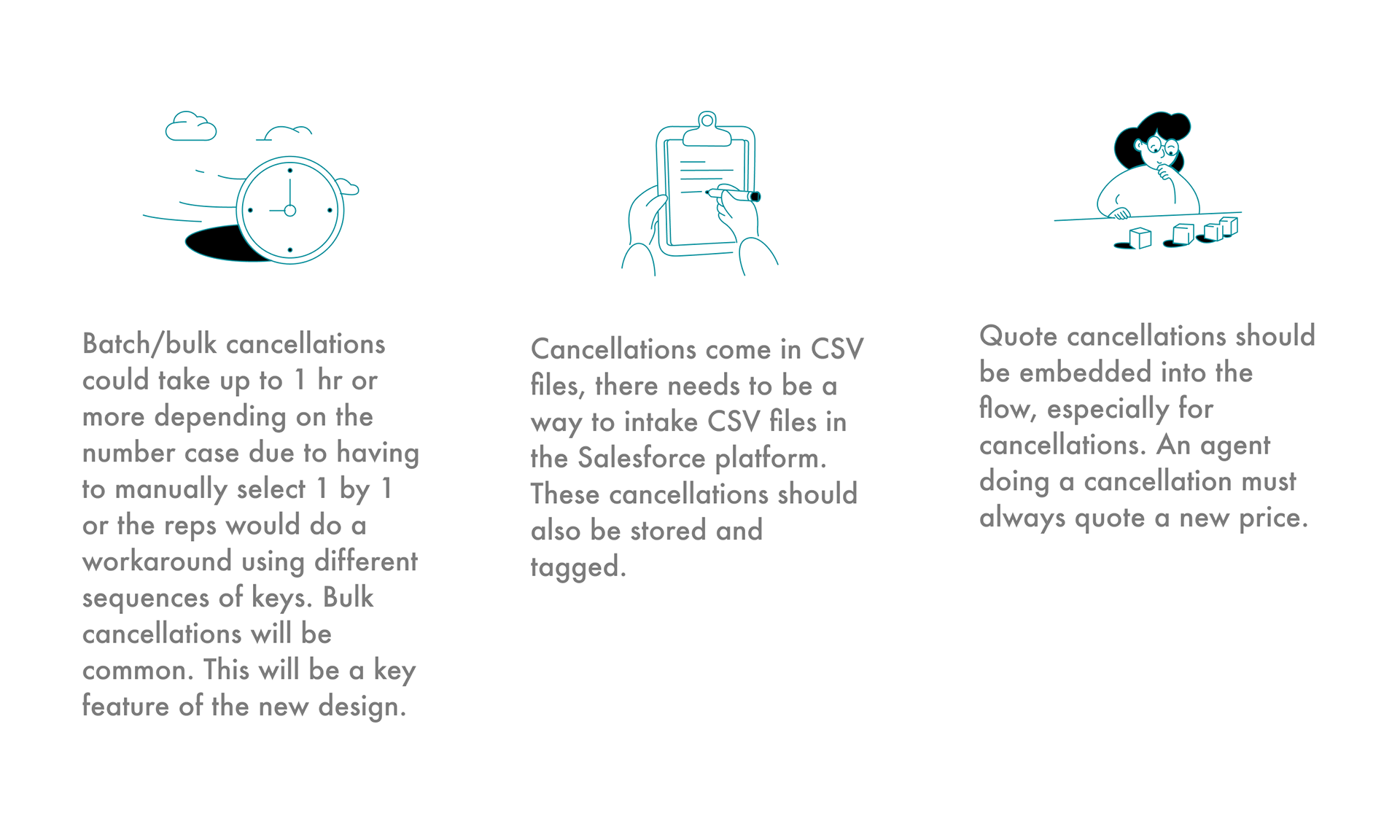
Relevant Insights
Designs Decisions
Based on priorities, I started with the claims intake process as that would be the easiest starting point that branches out into all other areas of the intake process like product and pricing, and cancellations.
Claims intake is a step-by-step process. You can't fulfill a step without completing all the mandatory parts of another, but you can go back in the process and change info through proper overrides.
(Stepping into empathy for a moment)
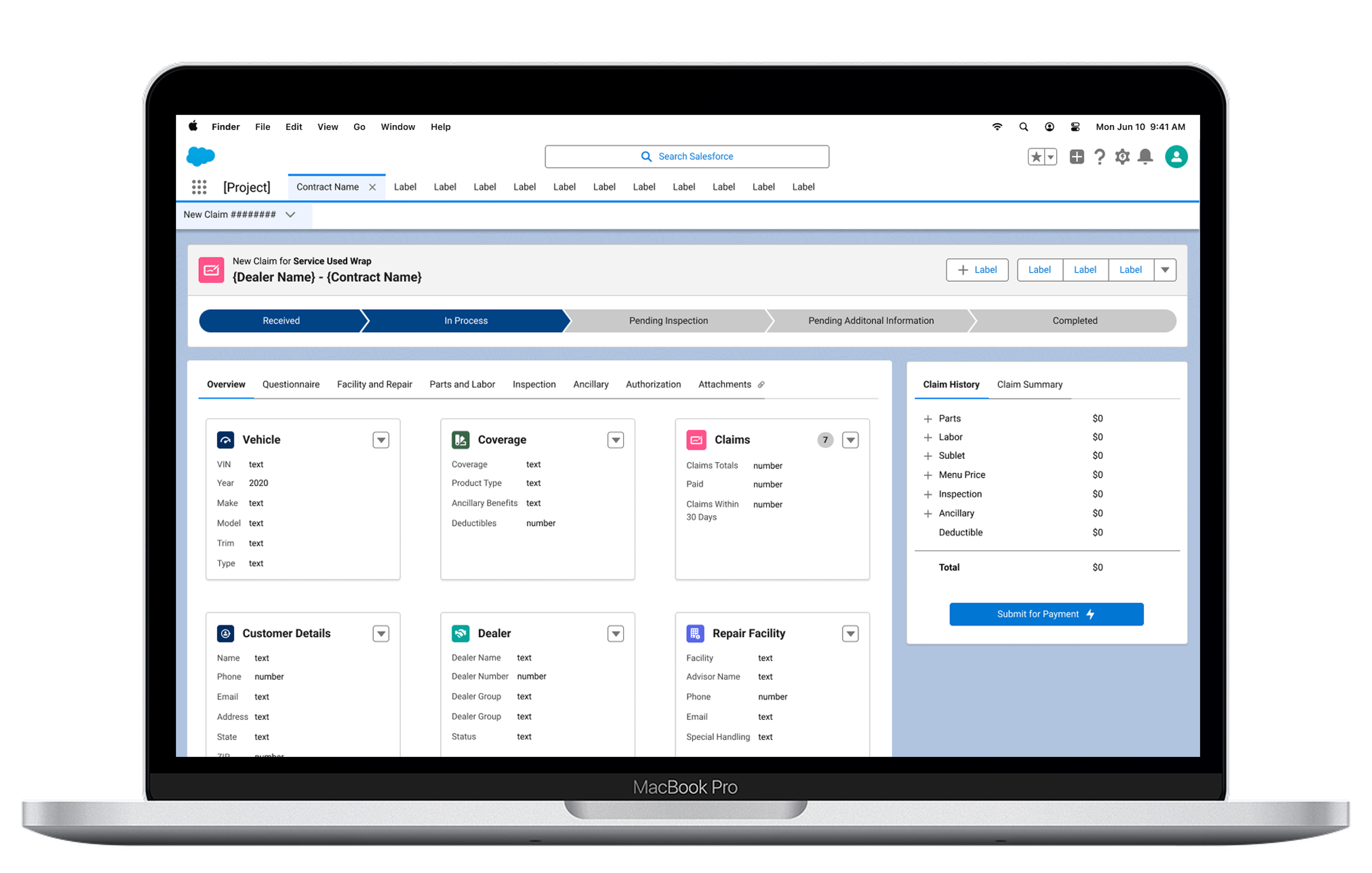
As a rep, the new process should be able to clearly tell them where they are in the process.
Therefore, I added a path...
so each claim step can be clearly seen and tracked in order for the claim to be considered completed.
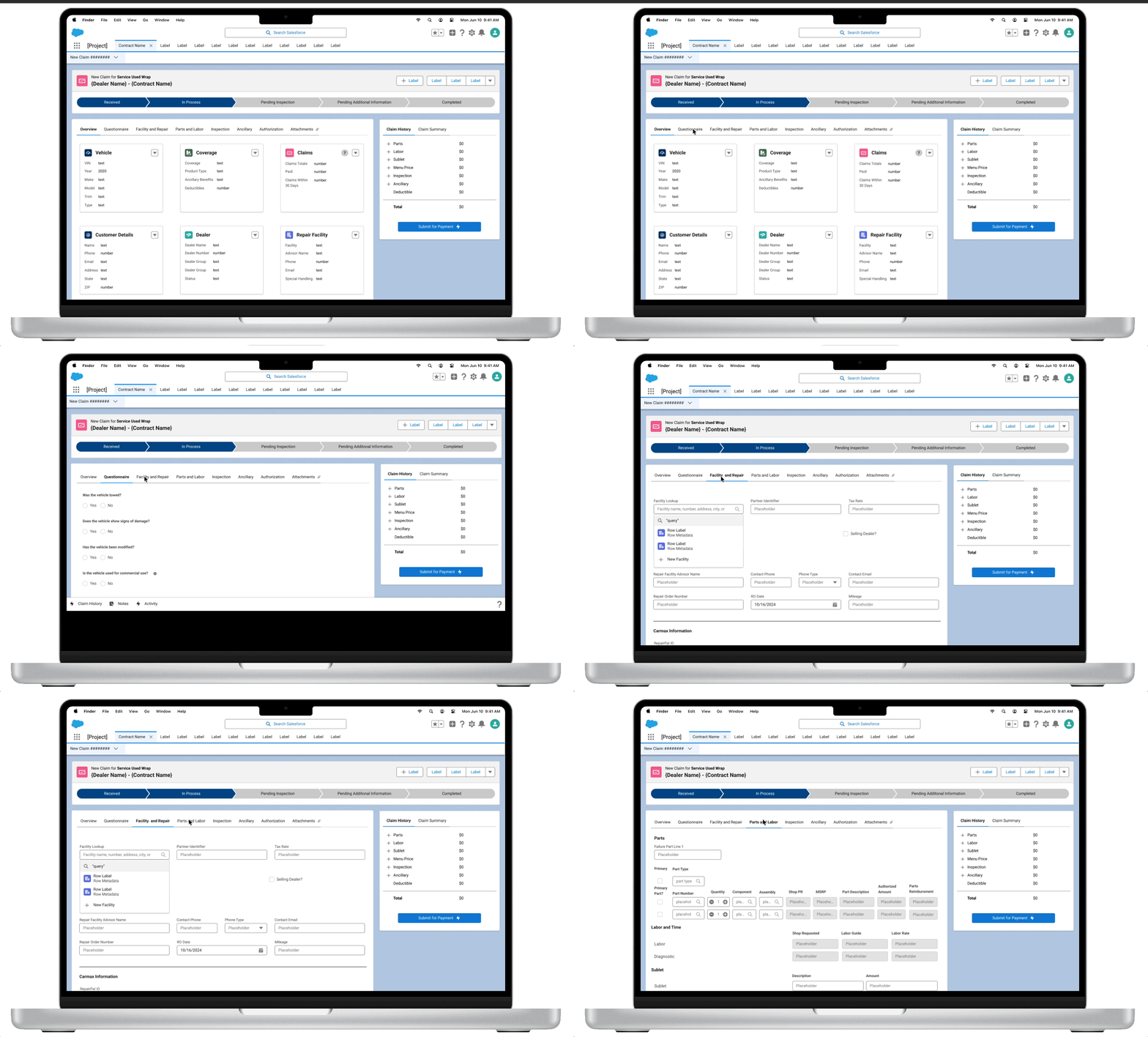
The rep would be looking at a new claim and seeing that it's in process. It still needs some oversight to make sure each input is filled out to move on to the next step.
A/B testing revealed that users loved this idea, with all 6 saying that paths would make their way of working faster and clearer
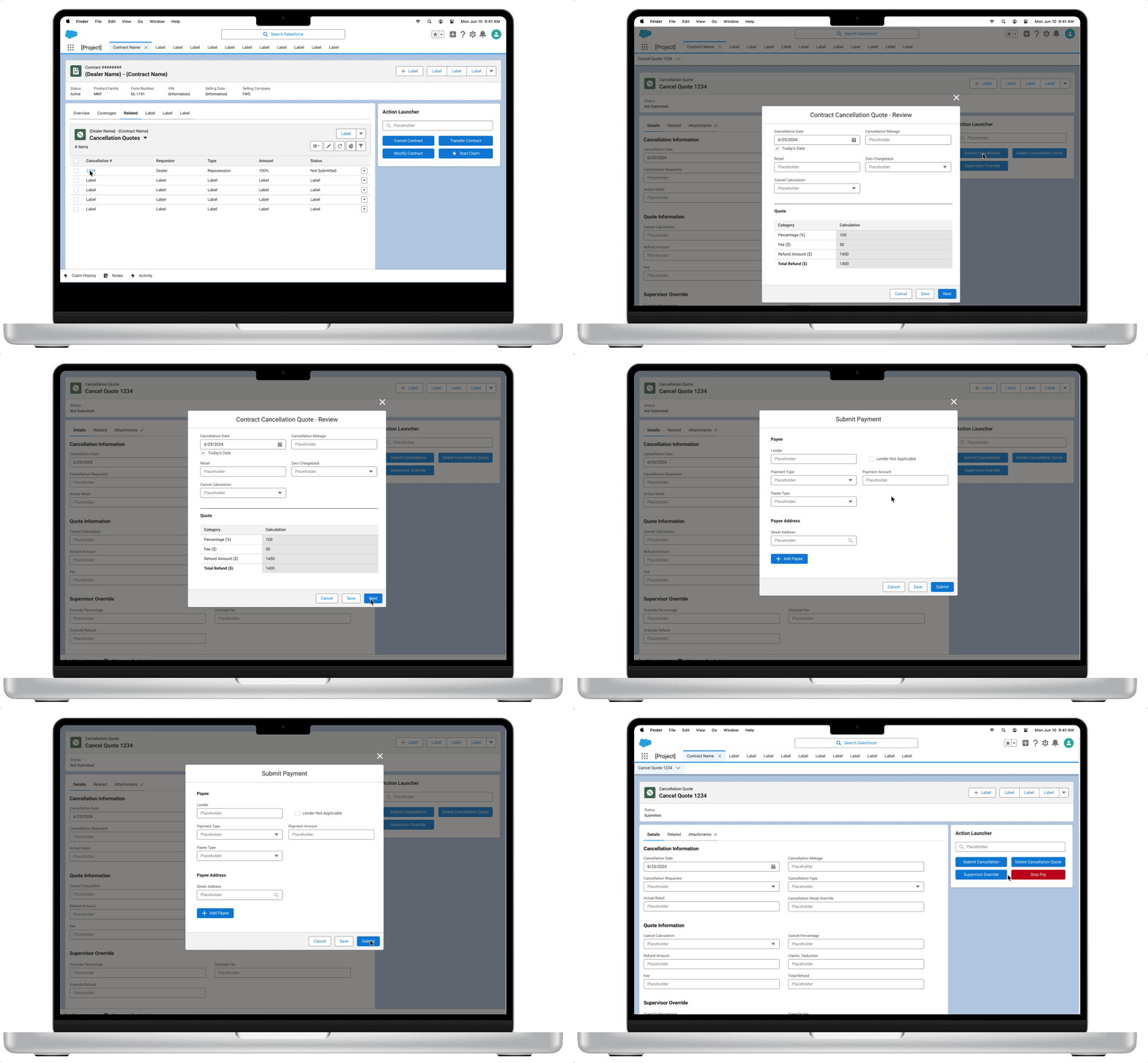
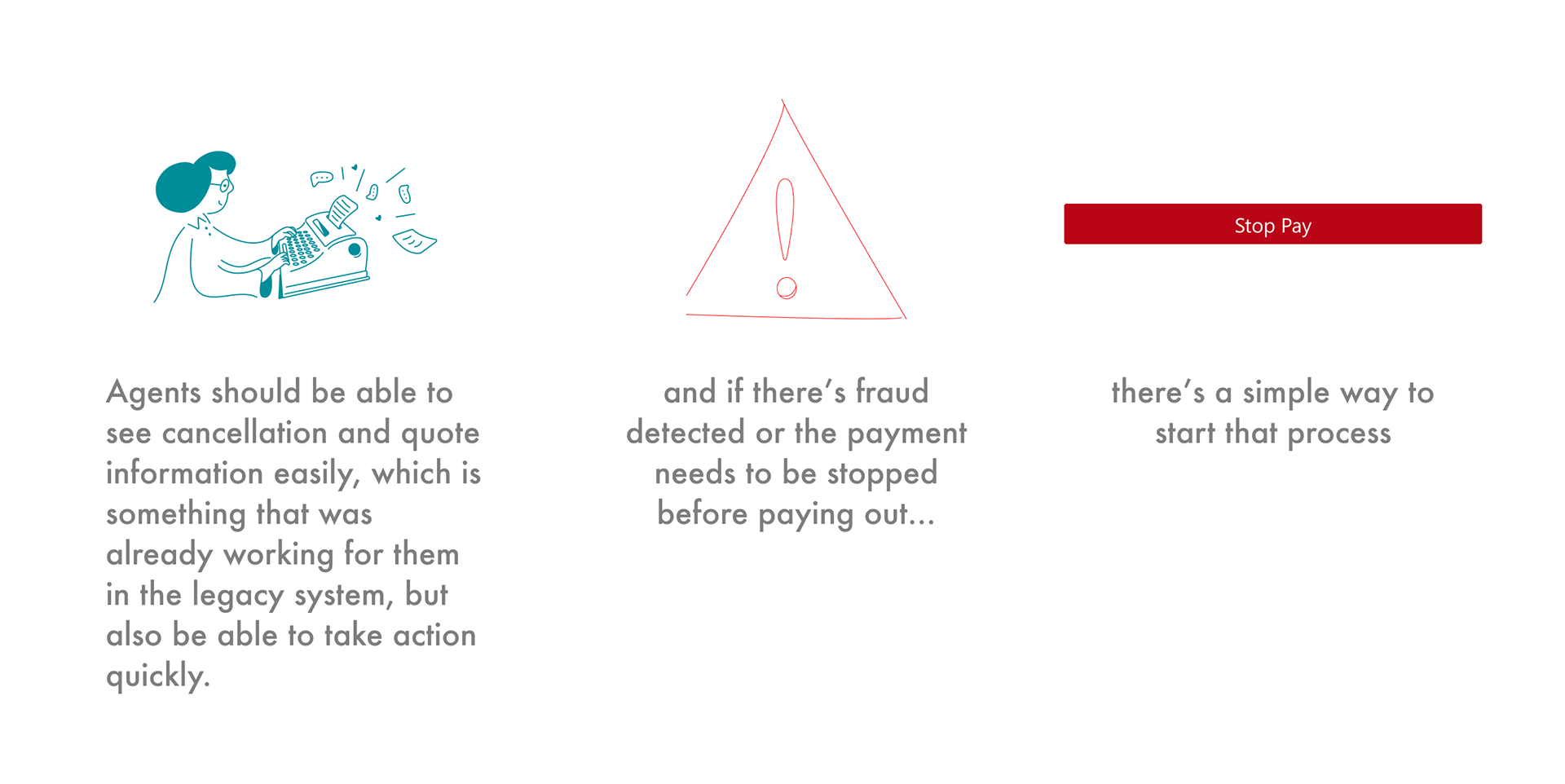
Next: Submitting a cancellation quote needed to be done more efficiently, and halting fraud should start on the rep level before escalating
Reps would passingly say in testing that fraud is a huge issue in insurance claims, regardless of industry. If fraud were detected, it would be escalated to the next level of security.
"Auto insurers lose at least $29 billion a year to auto insurance scams...auto claim fraud includes false vehicle driver reports, faked information about the miles driven annually, and lying to get coverage from the insurance while vehicles are garaged in locations where insurance rates are cheaper."
-Verisk Analytics
Friendly Reminder from the Results Section
1️⃣ 43% improved case intake time based on the average case intake time. This exceeded the goal of 30%.
2️⃣ 30% less contract cancellations over 3 months.
3️⃣ Improvements in
1. Batch cancellation processes (time on task 1 hr - 30 min)
2. Pricing buckets setup (time on task 5 to 2 min)
Key Takeaway from the Process
Go with the gut instinct. I made call that we needed more research due to lacking knowledge about reps and their day to day frustrations. The client agreed that shadowing would serve the business need by keeping people working and proving me and my manager with more data to back the designs.